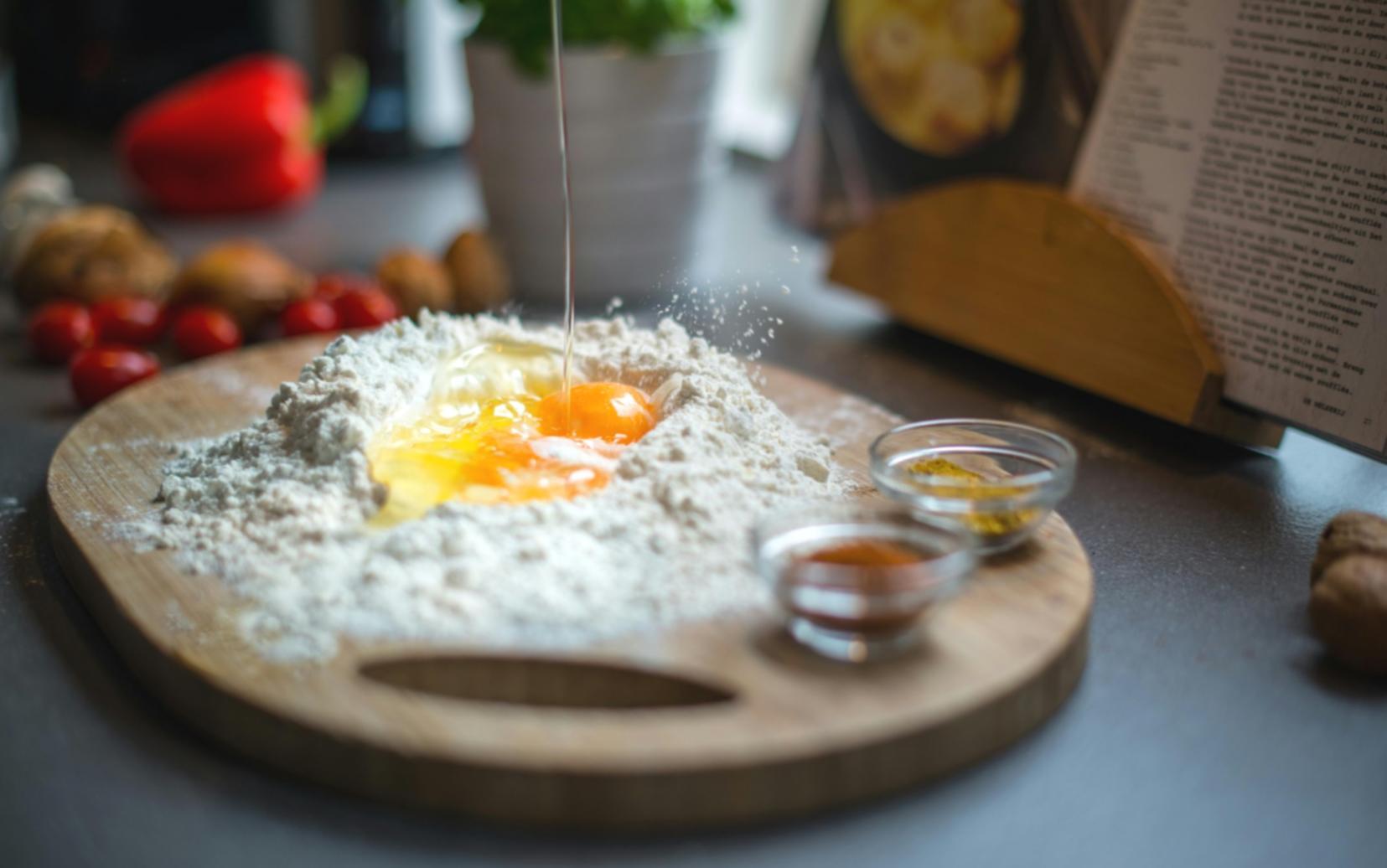
Plant-Based Cooking Mastery
Learn to create vibrant vegetarian and vegan dishes that actually taste incredible. Our eight-month program starts September 2025 and covers everything from Mediterranean classics to modern plant-forward techniques.
Reserve Your SpotComplete Culinary Foundation
Flavor Building
You'll spend weeks just on how to layer flavors without meat or dairy. We cover spice blends, aromatics, and fermentation basics. Most people think vegan food is bland because they skip these fundamentals.
Ingredient Mastery
Greek markets offer incredible produce year-round. Learn which varieties work best for different preparations and how to source quality ingredients locally. Storage techniques matter more than most cookbooks admit.
Traditional Adaptations
We take classic Mediterranean recipes and make them plant-based without losing authenticity. Think moussaka with lentils or pastitsio that your grandmother would actually approve of. It takes practice.
Modern Techniques
Air fryers, pressure cookers, and high-speed blenders changed plant cooking completely. You'll learn when to use each tool and, more importantly, when traditional methods still work better.
Menu Development
Creating balanced menus requires understanding nutrition and seasonal availability. We work through real scenarios—dinner parties, meal prep, cooking for mixed dietary preferences. The planning is half the skill.
Business Basics
If you want to cook professionally, you need kitchen economics and food safety certification. We cover costing recipes, scaling production, and navigating Athens food regulations. Not glamorous, but essential.
Your Learning Path
Eight months structured into four progressive phases. Each builds on the last, and you'll need to pass practical assessments before moving forward.
Foundations
Knife skills, basic preparations, understanding ingredients. Two months of repetitive practice. Some students find it boring, but there's no shortcut to consistent technique.
Core Recipes
Learning signature dishes and variations. You'll cook the same base recipe dozens of times until muscle memory kicks in. This phase usually clicks around week 10.
Creative Development
Start experimenting with your own combinations. Plenty of disasters happen here, which is exactly the point. Failure in class is cheaper than failure in a restaurant.
Professional Practice
Volume cooking, timing multiple dishes, handling dietary restrictions. We simulate real kitchen pressure. Final month includes a full-service practical exam.
Real Results From Real Students
Since starting in 2022, we've trained 187 students in Athens. About 60% now work in food professionally, though not all in restaurants—some do catering, meal prep services, or recipe development.
Student Outcomes
Our 2024 cohort had 23 graduates. Eight opened or joined existing food businesses. Twelve work in established restaurants. Three teach cooking classes independently. Results vary significantly based on prior experience and career goals.
Industry Connections
We partner with 14 Athens restaurants and cafes for practical placements. Students spend four weeks working in real kitchens. Some get job offers, others realize professional cooking isn't for them. Both are valuable outcomes.

Vasilis Drakos
Head Instructor
Former sous chef at three Michelin-starred venues. Transitioned to plant-based cooking in 2019. Teaches flavor theory and classical technique adaptation.

Eleni Papadaki
Nutrition & Menu Design
Registered dietitian with focus on plant nutrition. Helps students understand protein balance, meal planning, and dietary accommodation without compromising taste.

Andreas Komnenos
Pastry & Baking
Specializes in vegan desserts and breads. Spent five years perfecting egg and dairy substitutions. His baklava recipe took 200+ attempts to get right.
Dimitris Vlachos
Kitchen Operations
Runs two successful plant-based cafes in Kifisia. Covers real business challenges—food costs, staffing, permits, dealing with suppliers. The practical stuff schools often skip.
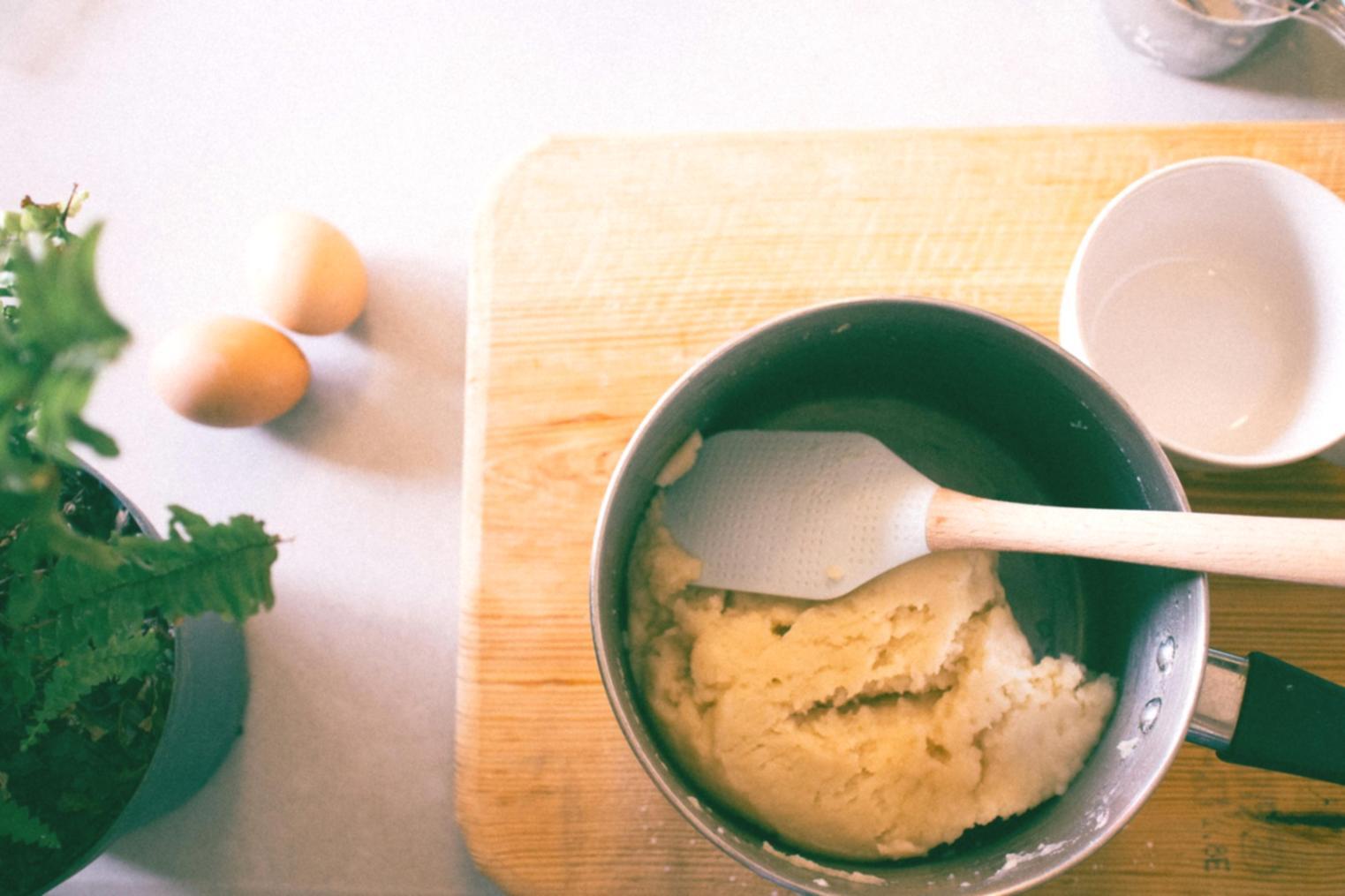
Hands-On Every Day
Classes meet three days weekly, four hours each session. You'll cook, taste, critique, and cook again. Our Athens kitchen fits 12 students maximum—everyone gets stove time, not just demo watching.
Equipment includes professional ranges, a wood-fired oven we use for some traditional recipes, and standard restaurant tools. You'll need your own knife kit, which we help source locally.
Ask About September IntakePortfolio Development
Final project requires creating and documenting 12 original recipes with photos and detailed instructions. Several students have used these portfolios to secure cookbook deals or launch food blogs.
We bring in food photographers for a workshop on plating and styling. Not required for cooking, but helpful if you want to market your work later. The food industry is increasingly visual.
Read Graduate Stories